 IOL 2026
The International Linguistics Olympiad
The International Linguistics Olympiad (IOL) is an annual international competition that brings together secondary school students and experts from various fields of linguistics.
The competition challenges participants to analyze the grammar, structure, culture, and history of different languages and to demonstrate their linguistic abilities through puzzles and problem-solving challenges.
For more information about the olympiad, as well as past problems and results, please consult the official IOL page.
The host country: Romania
As the 23rd IOL is right around the corner, we welcome you to Romania! Get ready to explore a country where dramatic landscapes, centuries-old legends, and rich traditions come together in a captivating story.
A Landscape Out of a Fairytale
Romania is a country of striking natural diversity, where landscapes shift dramatically from one region to another. Dense forests, rolling hills, fertile plains, and winding rivers create a patchwork of scenery that feels almost storybook-like. From traditional villages tucked into the countryside to the vast wetlands of the Danube Delta, this variety gives Romania a timeless, almost untouched charm.


At the heart of it all rise the Carpathian Mountains, Romania’s “backbone”, a wild, jagged range perfect for epic hikes and spotting the occasional brown bear. In the valleys of Transylvania, you’ll find perfectly preserved medieval towns and fortified churches that look like they’ve been frozen in time since the 14th century. Cobblestone streets, colorful facades, and centuries-old towers blend seamlessly with the surrounding peaks, creating a landscape that feels lifted straight from a fairytale.

.jpg)

.jpeg)
Beyond the Fangs
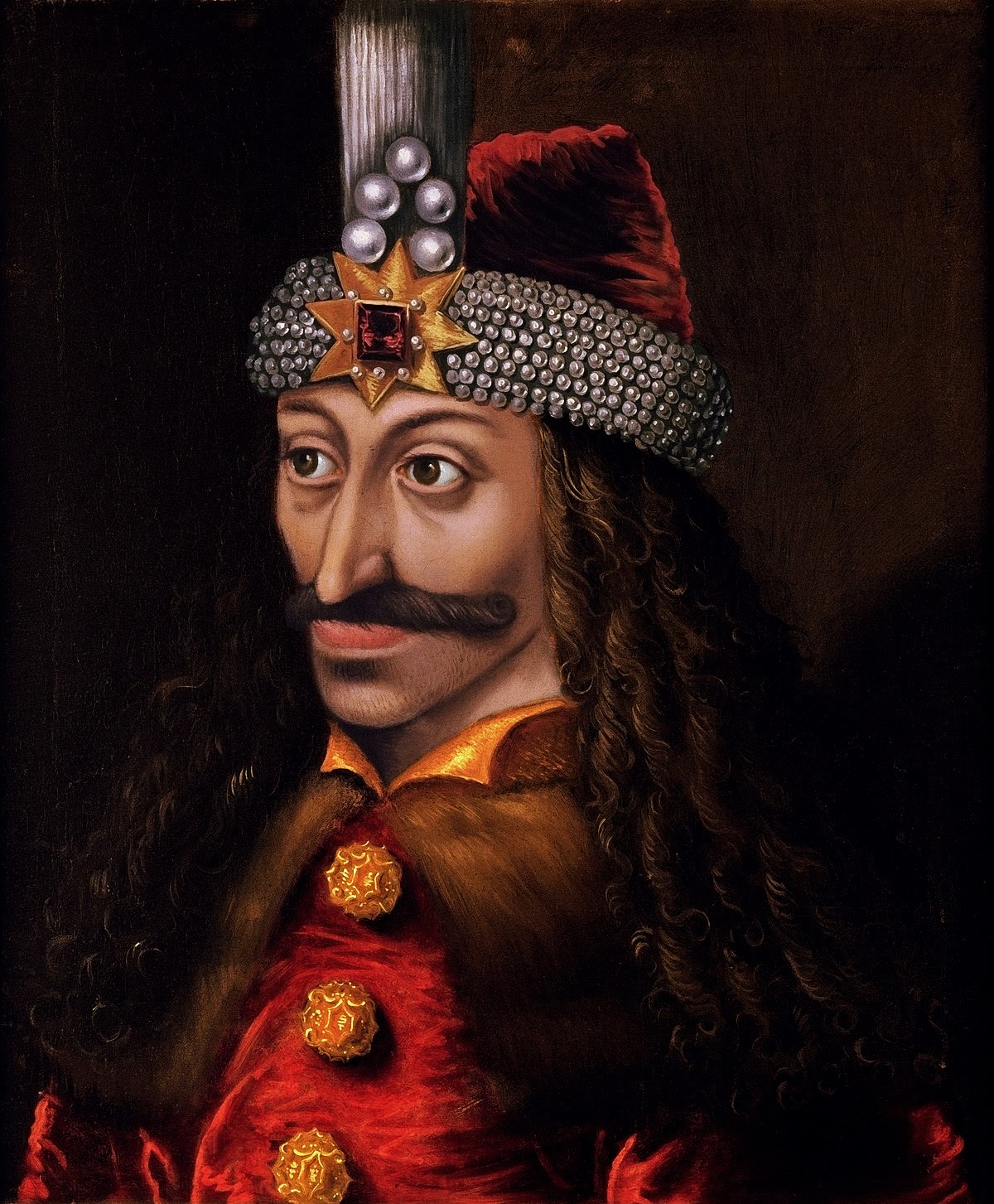
Yes, Dracula is allegedly the most famous Romanian! While the legend of the Count, created by Irish author Bram Stoker, is our most famous export, it was loosely inspired by the real-life Vlad the Impaler, a 15th-century Wallachian ruler known for his brutal methods of defending his land against invaders. Over time, history and fiction blurred, giving rise to one of the world’s most enduring myths.
The real magic, however, lies in Romania’s castles themselves. Whether it’s the spooky atmosphere of Bran Castle, often linked to Dracula, or the neo-Renaissance elegance of Peleș Castle, these walls whisper stories of power, intrigue, and mystery. Hidden passageways, dramatic legends, and unanswered questions invite visitors to look beyond the movies and uncover the secrets of the past.



Threads of Tradition and Craft
Romanian culture is a refined blend of influences shaped by centuries spent at the crossroads of Roman, Ottoman, Austro-Hungarian, and Balkan worlds. This layered history has left its mark on language, customs, and everyday life, creating a cultural identity that feels both familiar and unique. Rather than existing only in museums, these traditions remain deeply rooted in rural communities, where craftsmanship is still practiced as a living art passed down through generations.


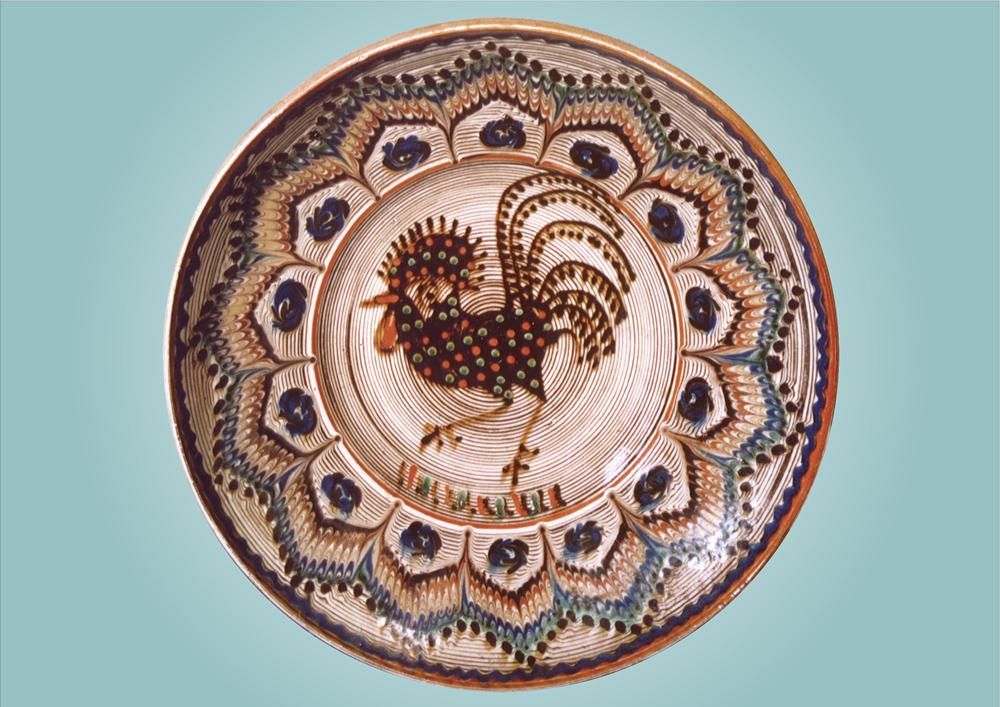
From the intricate Horezu ceramics, instantly recognizable by their hand-painted rooster motifs, to the monumental wooden gates and churches of Maramureș, Romanian craftsmanship balances beauty and meaning. The iconic Romanian blouse, ia, with its delicate hand-stitched patterns, is more than a garment; it is a visual language. Geometric shapes and natural symbols quietly tell ancient stories of protection, the sun, and the cycle of life, transforming everyday objects into carriers of memory and identity.


A Taste of Home
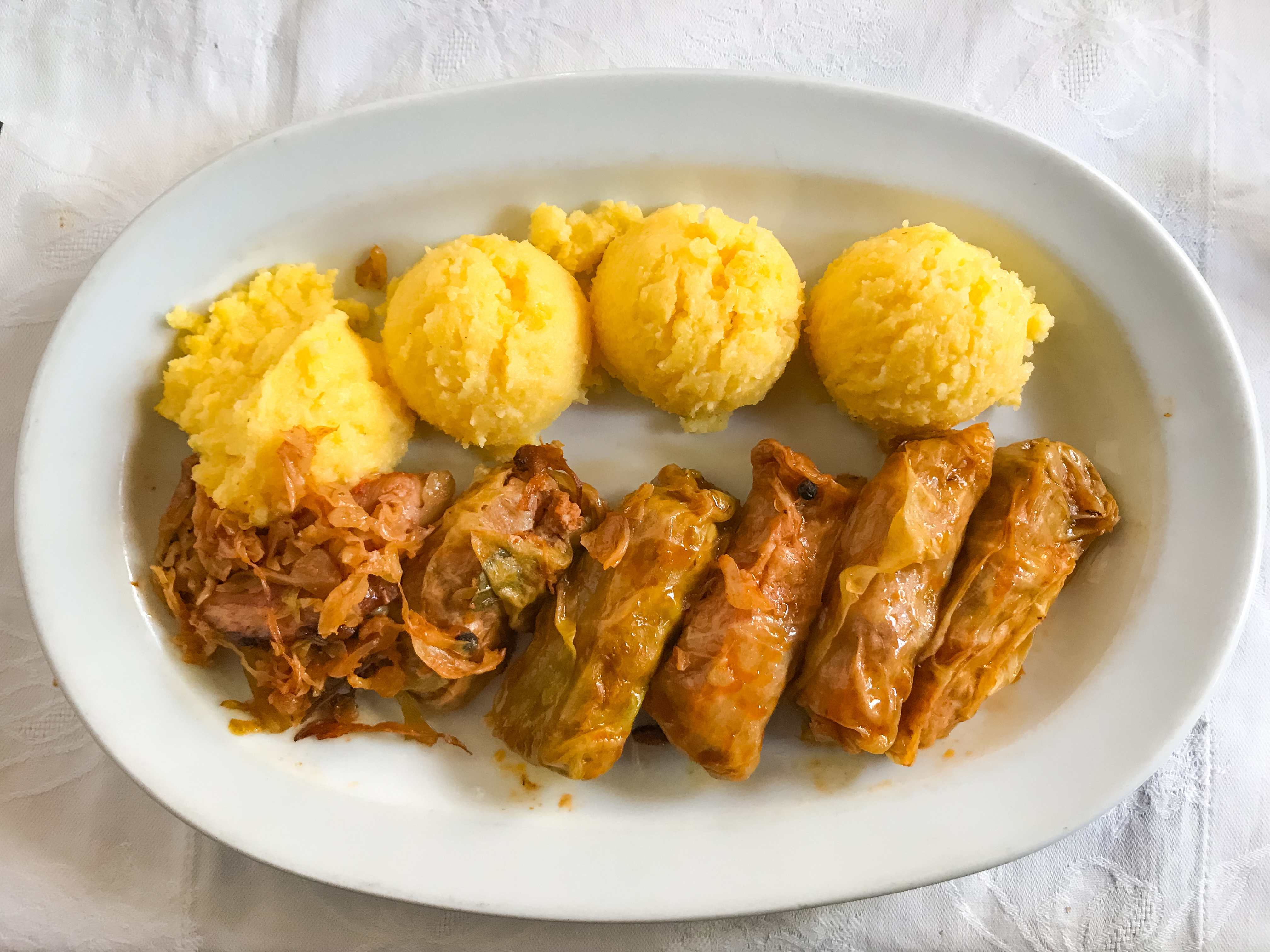
Romanian cuisine reflects the country’s rich cultural heritage, shaped by geography, history, and regional diversity. At its heart are hearty, comforting dishes meant to bring people together. They are often prepared slowly and shared during family gatherings. Local ingredients, cabbage, cornmeal, dairy, and forest fruits, form the foundation of recipes that have endured for centuries.
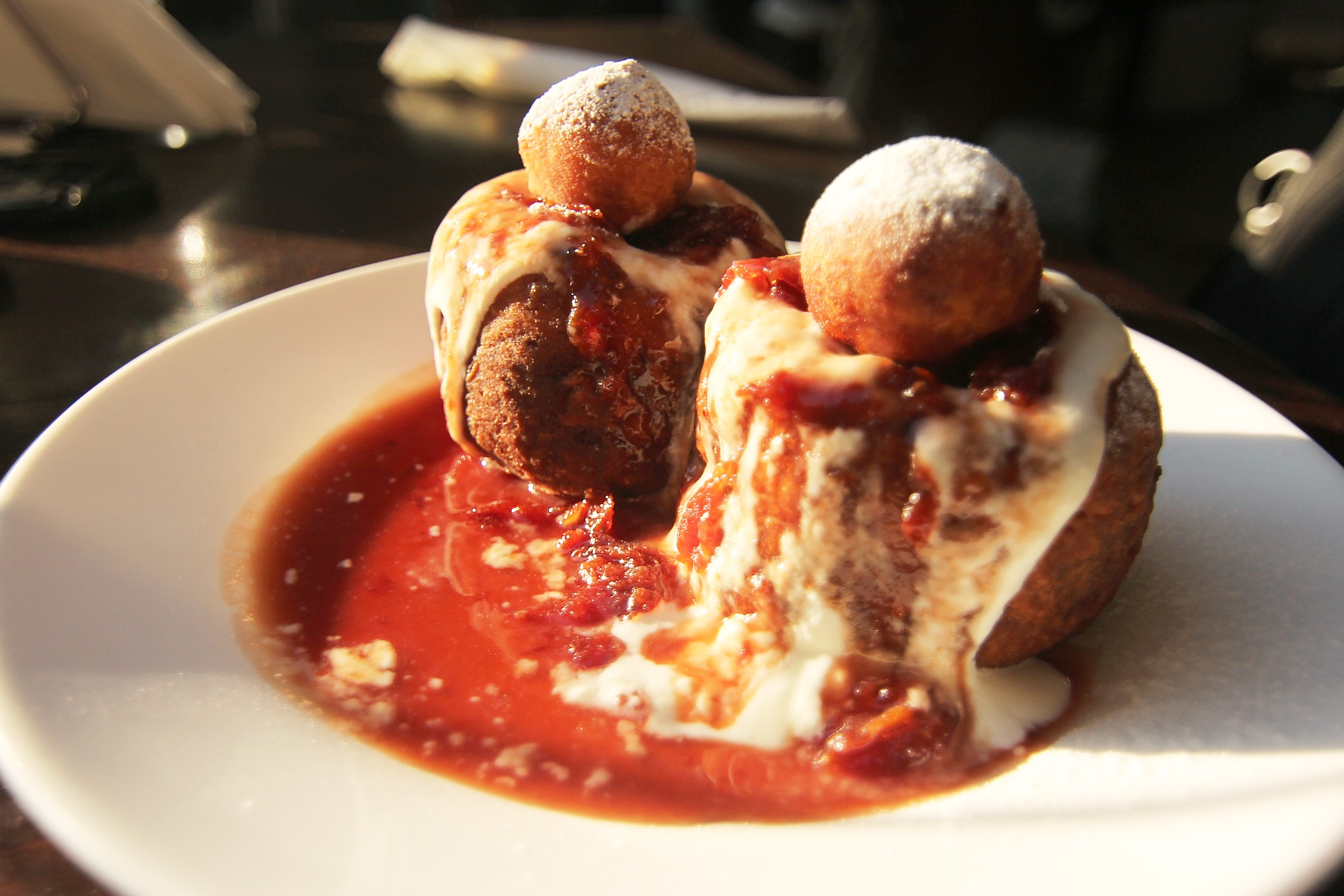
Classics include sarmale, minced meat and rice wrapped in pickled cabbage leaves, and papanași, fried cheese-filled doughnuts topped with sour cream and forest fruit preserves. Simple yet indulgent, Romanian food is defined by authenticity, offering a true taste of home and history in every bite.
_(47981417742).jpg)

A Heritage Worth Discovering
From dramatic landscapes and medieval towns to living traditions and timeless flavors, Romania’s story is one of depth and continuity. To explore this heritage even further, Romania’s UNESCO World Heritage Sites offer a fascinating window into the country’s most treasured cultural and natural landmarks. Discover fortified churches, ancient villages, wooden monasteries, and pristine landscapes by visiting the full list here.
About Bucharest
Bucharest, the capital of Romania, is a dynamic city defined by contrasts. It blends modern life with tradition through a mix of historic buildings, wide boulevards, and contemporary architecture, reflecting different periods of its past. The city feels energetic and lived-in: café culture, parks and tree-lined streets, and a busy cultural calendar give it a welcoming rhythm that often stretches comfortably into the evening.

A city shaped by eras, not a single storyline
Bucharest has been reinvented more than once, and those reinventions are visible in its streetscape. In the late 19th century and into the Belle Époque, the city’s elite were strongly influenced by French culture and urban style, and the nickname “Little Paris” took hold—less as a slogan, more as an attitude that filtered into architecture, fashion, and city life. Echoes of that chapter still show up in the proportions of central streets, the ornamental details on older façades, and the way certain areas feel naturally designed for promenading.


But Bucharest isn’t a city with one smooth timeline. The 20th century brought sharp turns: shifting political systems, large-scale urban transformations, and civic projects that reshaped entire zones. The result is a place where architectural “moods” can change quickly—sometimes within the same block—and where history isn’t neatly packaged into one district. Instead, it appears in fragments and contrasts: refined beside austere, intimate beside monumental, old elements tucked into newer lines.


Bucharest today
Today, Bucharest is practical and international, with a growing creative scene and a social life that spills comfortably into the evening. It’s a place where the center is not just for sightseeing but for living: people meet on terraces, move between neighborhoods for concerts and exhibitions, and treat the city as something active and evolving rather than something preserved. The energy is very current, but the layers are always there, quietly shaping the atmosphere.


.jpg)
A warm welcome!
During the IOL, Bucharest becomes a meeting point where these threads come together: sharp minds, many languages, and a city that knows how to hold contrasts without needing to explain them. Step into the week with curiosity: Romania has a way of turning visits into stories, and stories into something you carry home.